Video Editing, Animation, 3d, Design & Web
ShirTCG — Meta AI VIDEO a/b Test Campaign
Winner vs. Losing Variant
Winner vs. Losing Variant
For ShirTCG, I produced a short-form Meta ad using an AI-assisted video workflow, Premiere, and After Effects to create a polished paid social asset for a niche trading-card apparel audience.
The goal was to test whether a visually relevant, community-native creative could generate qualified traffic and convert with a small budget before scaling.
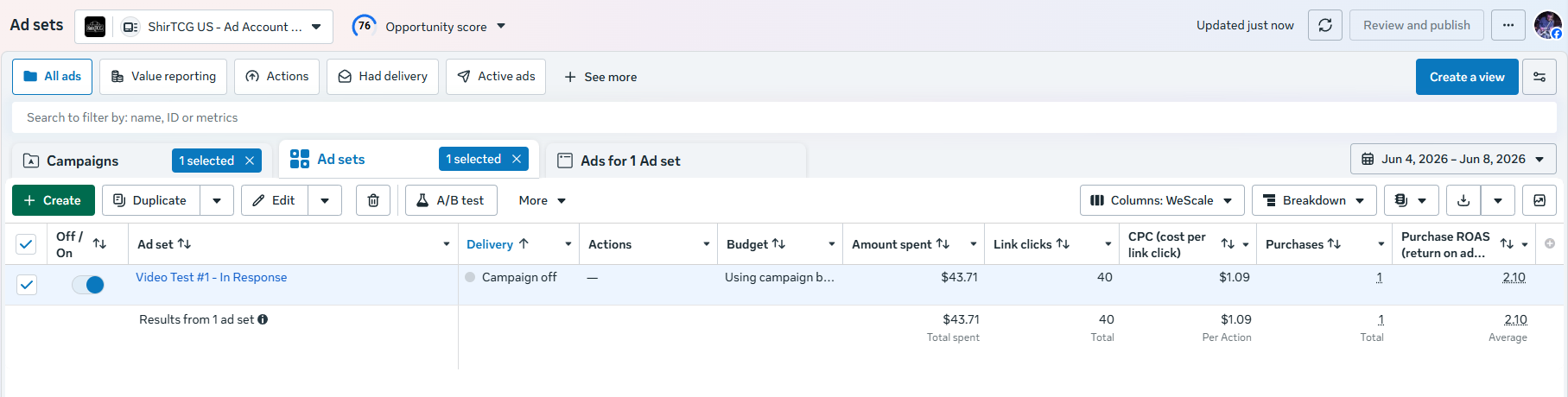
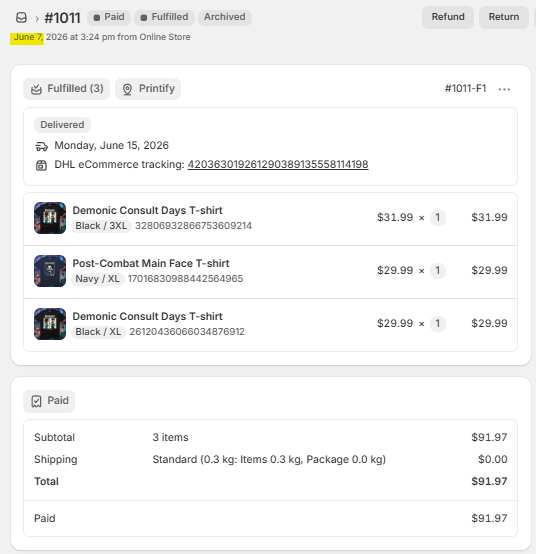
The campaign was launched as a controlled Meta test with a $50 budget. It spent $43.71, generated 40 link clicks at a $1.09 CPC, and produced one purchase with a reported 2.10 ROAS. The resulting order totaled $91.97, meaning the test generated enough revenue to cover the ad spend and create a positive return before production and fulfillment costs.
Beyond the purchase, the creative also generated social proof, including 112 likes on Instagram, helping validate that the visual direction resonated with the target audience.
This test demonstrates my ability to connect creative strategy, AI-assisted production, video editing, paid social structure, and performance analysis into a practical campaign workflow.
ShirTCG — A/B-Style Meta Creative Testing
After the first ShirTCG test showed that AI-assisted video creative could generate purchases from a small Meta budget, I continued testing new variations to evaluate which creative direction was worth developing further.
The goal was not only to find a “winning” ad, but to build a repeatable testing process: produce multiple concepts quickly, launch them with controlled spend, compare the results, and make creative decisions based on performance data.
Variant A
Creative A — Proven Direction
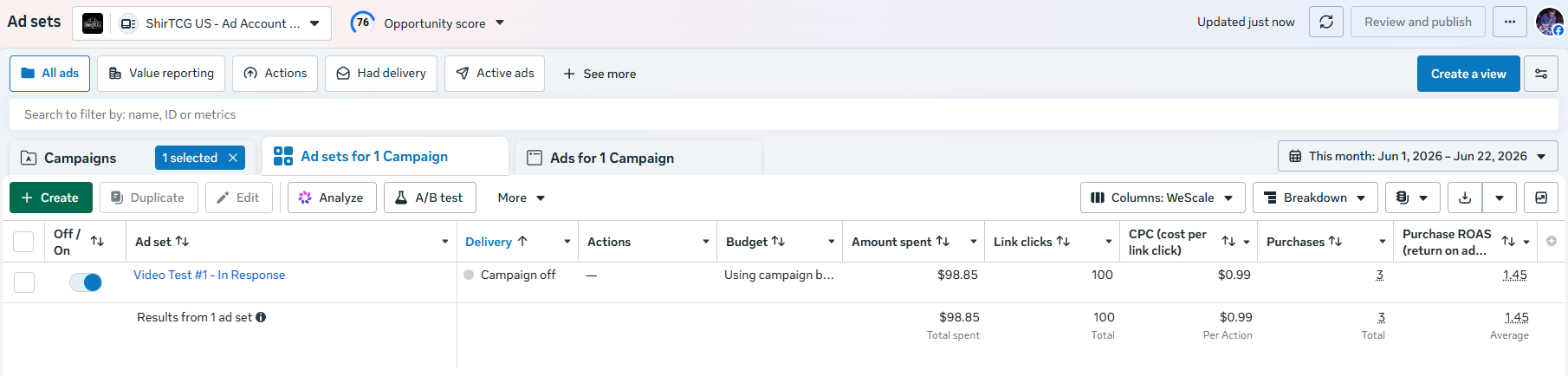
The stronger-performing video direction was tested again and generated 100 link clicks from $98.85 in spend, with a $0.99 CPC, 3 purchases, and a reported 1.45 ROAS.
This showed that the original creative direction had enough audience relevance to drive both traffic and purchase behavior across more than one test.
Creative B — UGC-Style Variant
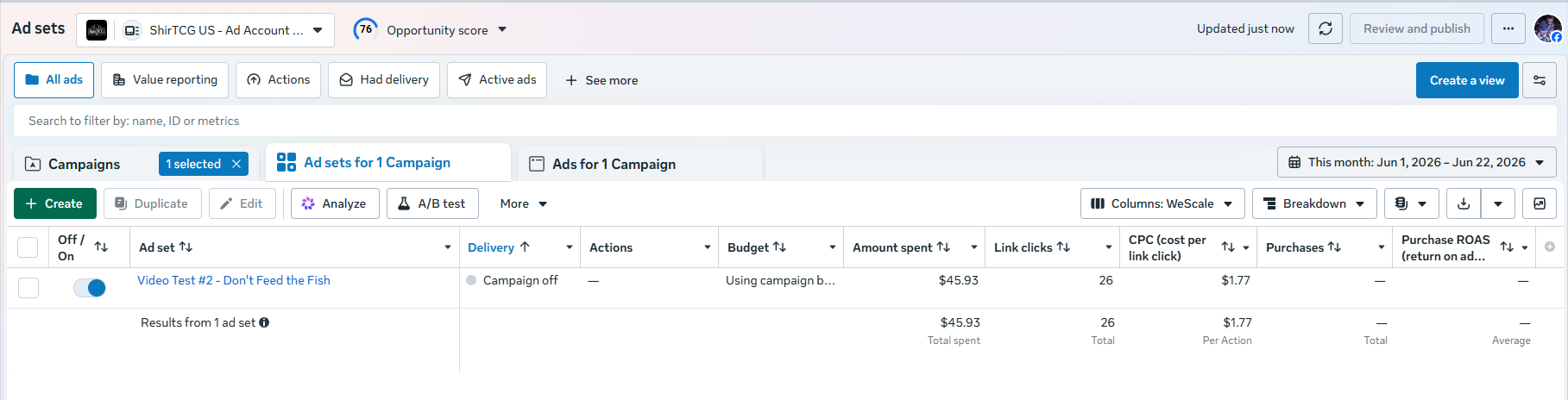
I also tested a separate UGC-style video concept, “Don’t Feed the Fish,” built with AI-assisted assets and edited for paid social use.
This version spent $45.93, generated 26 link clicks at a $1.77 CPC, and did not produce purchases during the test window.
While the asset matched the desired production workflow — AI-assisted concepting, video editing, Meta formatting, and campaign deployment — the data showed that it was less efficient than Creative A. The higher CPC and lack of purchases made it clear that this direction should not be scaled without further changes.
Testing Takeaway
This comparison helped identify which creative direction deserved more iteration. Rather than treating every finished asset as a success, I used the campaign data to separate visual quality from actual market response.
For paid social, I approach creative as a testing system: generate multiple directions, launch controlled tests, evaluate CPC, purchases, and ROAS, then refine or cut based on what the audience actually does.
Variant B
Static Catalogue Creative Optimization
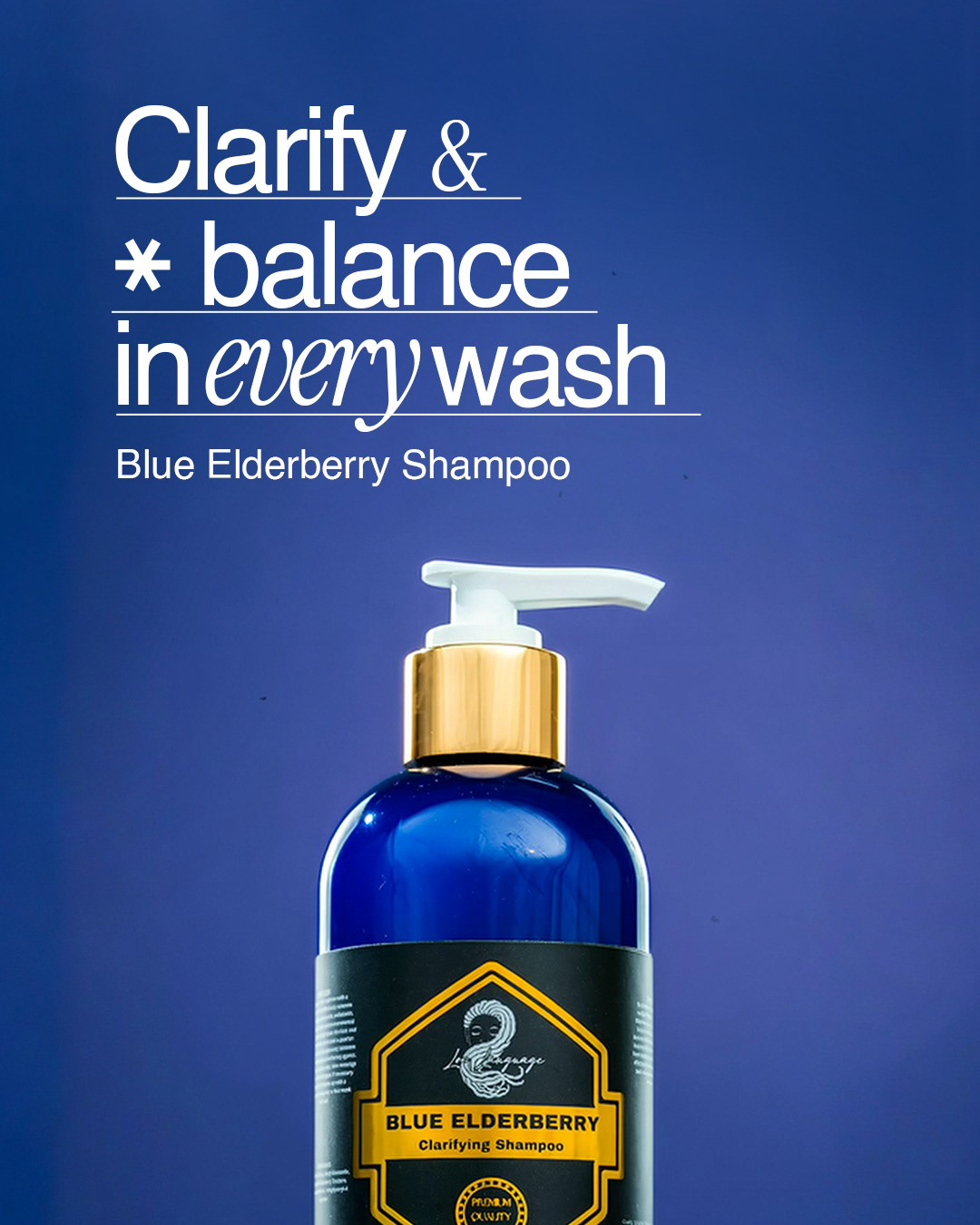
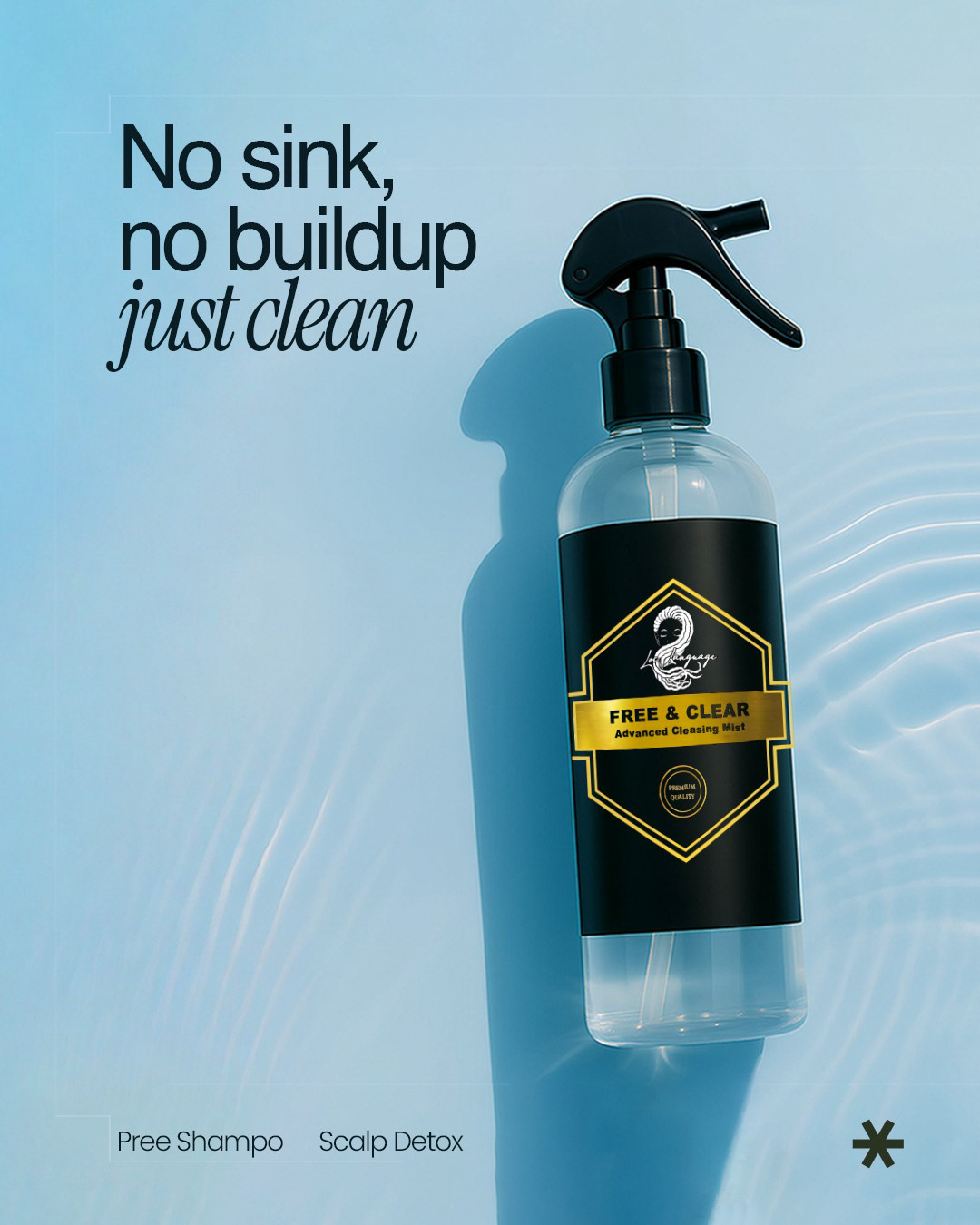
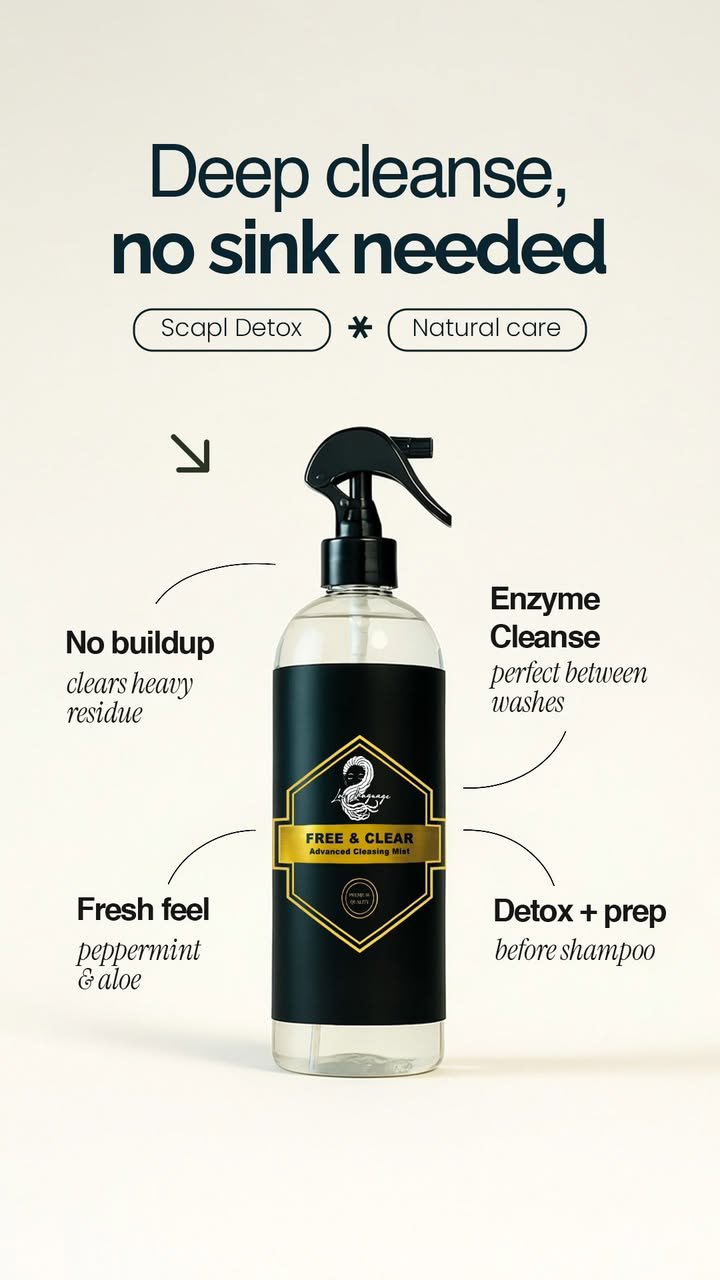
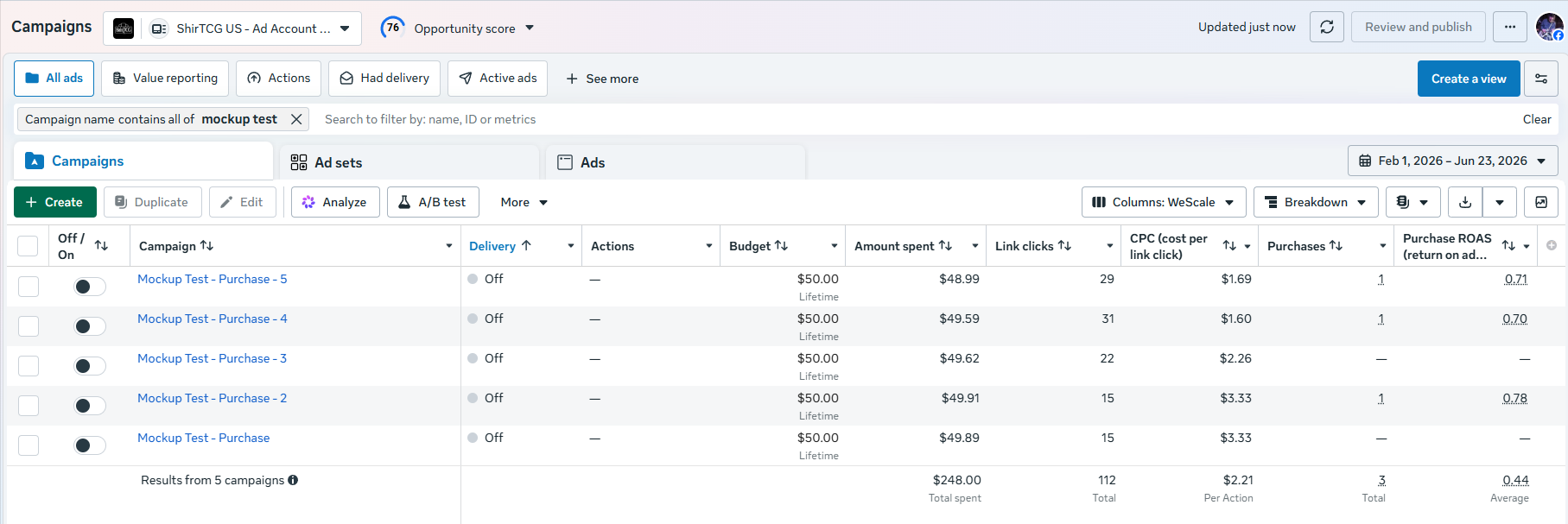
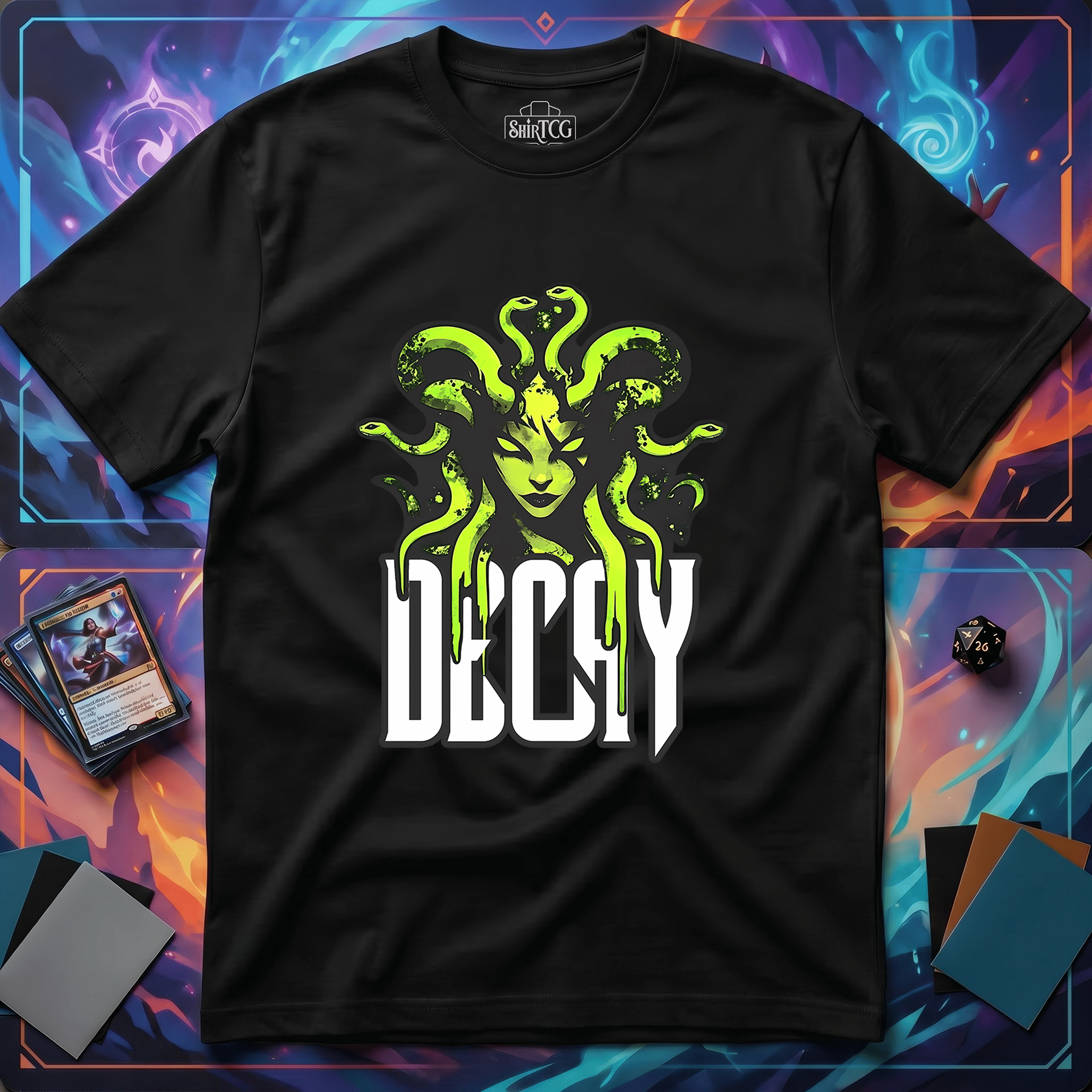
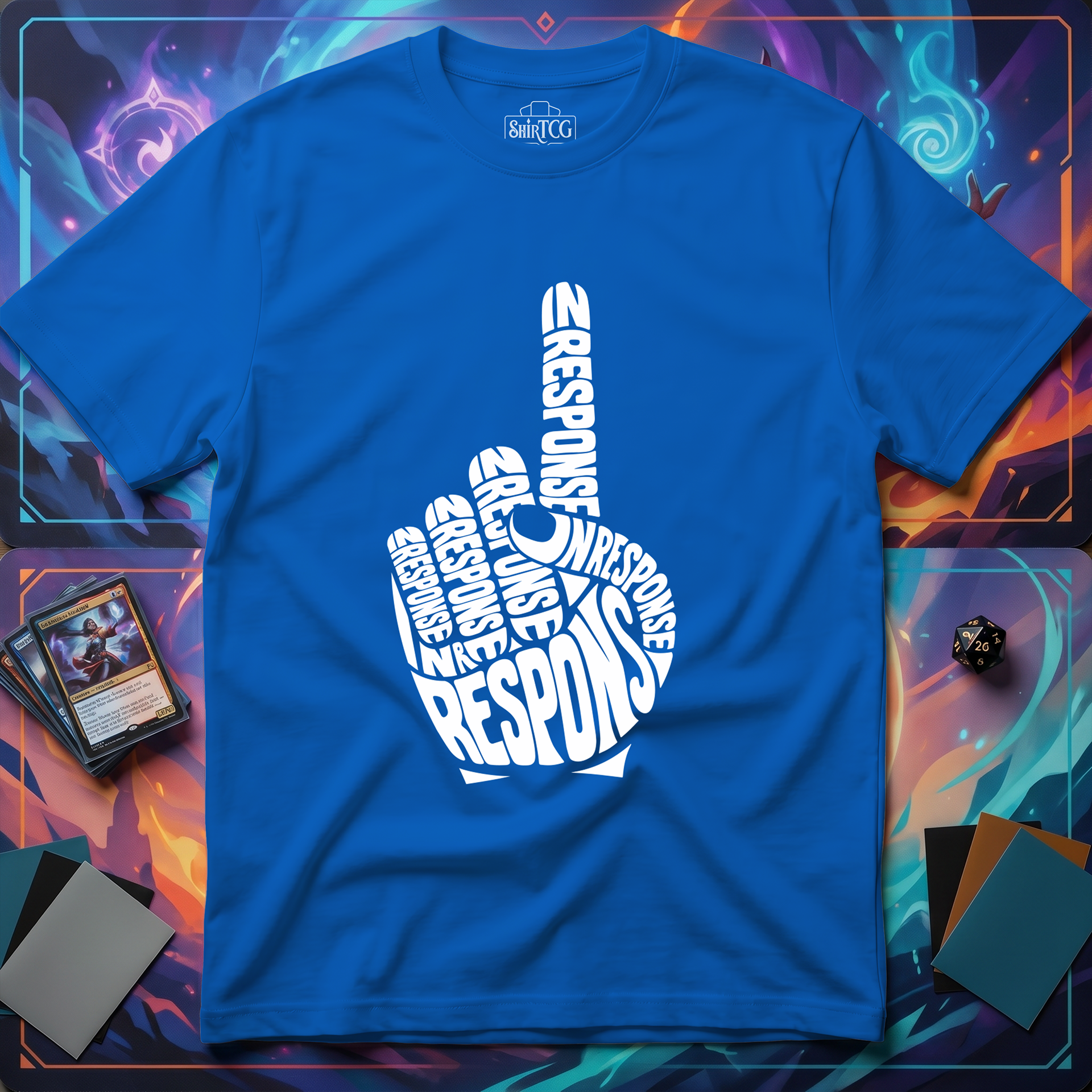
Alongside video testing, I also created square and vertical catalogue creatives using Photoshop and AI-assisted image workflows. These assets were designed to test how small visual changes — product framing, composition, background treatment, contrast, and caption length — affected paid social performance.
I ran five small mockup test campaigns with progressive creative tweaks. The initial test set spent $248.00, generated 112 link clicks, and produced 3 purchases. The blended CPC across those tests was $2.21, with individual campaigns ranging from $3.33 down to $1.60 as the catalogue presentation improved.
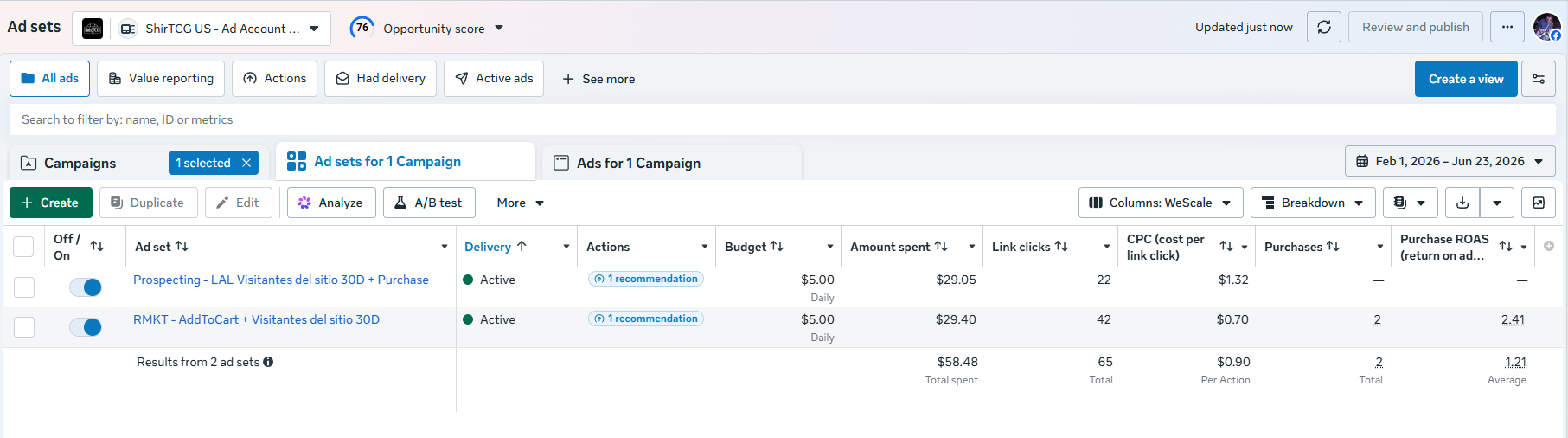
The next optimized setup lowered the blended CPC to $0.90, with the retargeting ad set reaching a $0.70 CPC, 2 purchases, and a reported 2.41 ROAS.
The caption strategy was also intentional. Instead of writing long copy that required users to tap “Read more,” I used a short caption that communicated the product and offer within the visible preview area. For Meta placements, that mattered: the creative needed to be understood quickly without asking the user to expand the post.
This section shows how I approach static paid social creative: not as one-off artwork, but as an iterative system where visual changes, copy length, audience stage, and campaign data work together.

OTHER BRANDS I've worked with